
"maillard reaction"
200 article(s) found

The roasting degree of coffee beans is different from that of deep-roasted coffee beans.
Professional coffee knowledge exchange more coffee bean information please follow the coffee workshop (Wechat official account cafe_style) front street-coffee roasting degree profile coffee beans in the roasting process there will be a series of chemical reactions, the roaster's method or style determines the result of chemical reactions, such as the beef noodles in this shop and the beef noodles in that shop are not the same taste, also
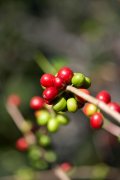
What's the aroma of coffee? Caramelization and Mena reaction during coffee roasting
Boutique coffee beans must be excellent varieties, such as the original bourbon species, mocha species and Tippica species. The coffee beans produced by these trees have unique aroma and flavor, which is far from that of other tree species, but the relative yield is low. in recent years, in order to pursue the ability of disease and insect resistance and increase the yield, there have been many improved tree species, such as the massive promotion of high-yield rurial11 species in Kenya.

Identification of genuine and fake coffee
Common adulterants in coffee are chicory root powder, roasted ground grains, etc., or processed with other bean-shaped seeds instead of coffee beans. The sensory coffee is brown and powdery. Due to the Maillard reaction during roasting, the coffee has a special aroma, and counterfeit coffee has no or
Identification of Coffee
There are only two ways to identify coffee: (1) identification before brewing? Good instant caffeine is brown to dark brown due to different varieties and processes; irregular particles with a size of about 2 mm mixed with some fine powder; the unique aroma of coffee is reflected by Maillard reaction during stir-frying. ? The color of inferior instant coffee is dark, and some of them are iron black.
There are only two ways to identify coffee.
(1) pre-brewing identification? Good instant caffeine is brown to dark brown due to different varieties and processes; irregular particles with a size of about 2 mm mixed with some fine powder; the unique aroma of coffee is reflected by Maillard reaction during stir-frying. ? The color of inferior instant coffee is dark, some are iron black, and the tissue state is caked or agglomerated due to moisture or other reasons.

How to distinguish good coffee? Like taste? Color? Solubility?
How to distinguish good coffee? Like taste? Color? Solubility? There are two ways to identify coffee: (1) identification before brewing? Good quality instant caffeine varieties and processes are brown to dark brown; the state of the organization is irregular particles of about 2 mm in size, mixed with some fine powder; due to the Maillard reaction occurred during frying, it reflects the unique aroma of coffee. poor speed

Two methods for the identification of coffee before or after brewing
There are only two ways to identify coffee: (1) identification before brewing? Good instant caffeine is brown to dark brown due to different varieties and processes; irregular particles with a size of about 2 mm mixed with some fine powder; the unique aroma of coffee is reflected by Maillard reaction during stir-frying. ? The color of inferior instant coffee is dark, and some of them are iron black.
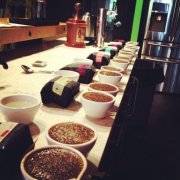
There are two ways to identify coffee before and after brewing.
(1) pre-brewing identification? Good instant caffeine is brown to dark brown due to different varieties and processes; irregular particles with a size of about 2 mm mixed with some fine powder; the unique aroma of coffee is reflected by Maillard reaction during stir-frying. ? The color of inferior instant coffee is dark, some are iron black, and the tissue state is caked or agglomerated due to moisture or other reasons.

Basic knowledge of distinguishing Fine Coffee from genuine Coffee
The coffee here refers to the brown powdered solid drink of raw coffee beans roasted and ground. Common adulterants in coffee are chicory root powder, roasted ground grains, etc., or processed with other bean-shaped seeds instead of coffee beans. The sensory coffee is brown and powdery. Due to the Maillard reaction during roasting, the coffee has a special aroma, and counterfeit coffee has no or
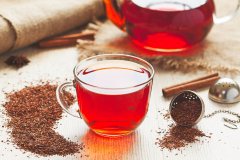
The taste of Assam black tea is characterized by the explanation of the production process of malt-flavored Assam black tea.
The final step in the production of dried tea is firing, which preserves the tea by almost completely removing the remaining moisture from the tea. Drying is a more accurate term; if the moisture of the tea is reduced to 3%, the tea will be stable and no more chemical reactions will take place. Then it can travel. In ancient China, this meant

Identification skills of genuine and fake coffee basic knowledge of coffee beans
The coffee here refers to the brown powdered solid drink of raw coffee beans roasted and ground. Common adulterants in coffee are chicory root powder, roasted ground grains, etc., or processed with other bean-shaped seeds instead of coffee beans. The sensory coffee is brown and powdery. Due to the Maillard reaction during roasting, the coffee has a special aroma, and counterfeit coffee has no or
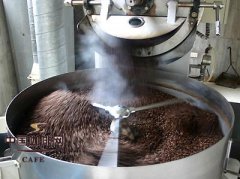
About the roasting of coffee
Roasting: this heat treatment causes significant chemical and physical changes in the structure and composition of raw coffee, causing the beans to darken and emit the characteristic aroma of roasted coffee.
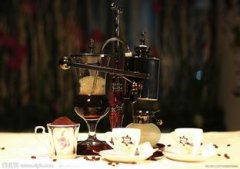
Where can you tell whether coffee is good or bad by coffee beans?
How to tell whether coffee is good or bad? Like taste? Color? Solubility? There are only two ways to identify coffee: (1) identification before brewing? Good instant caffeine is brown to dark brown due to different varieties and processes; irregular particles with a size of about 2 mm mixed with some fine powder; the unique aroma of coffee is reflected by Maillard reaction during stir-frying. ? Inferior quality and speed
Coffee technology uses siphon pots to make good coffee
Each barista uses a siphon pot to make coffee in his or her own way. After the coffee liquid is sucked into the pot, whether the upper pot forms a hill has been controversial in the industry. some people say that it must form a hill to complete the extraction, and if not, it will fail, including many professional books. Some people think that the hills are just good-looking, professional and stylish for coffee.
Basic knowledge of boutique coffee how to tell whether coffee is good or bad?
How to tell whether coffee is good or bad? Like taste? Color? Solubility? There are only two ways to identify coffee: (1) identification before brewing? Good instant caffeine is brown to dark brown due to different varieties and processes; irregular particles with a size of about 2 mm mixed with some fine powder; the unique aroma of coffee is reflected by Maillard reaction during stir-frying. ? Inferior quality and speed
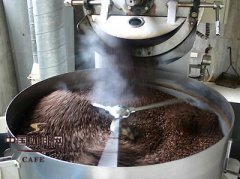
The basis of coffee: coffee roasting
Roasting: this heat treatment causes significant chemical and physical changes in the structure and composition of raw coffee, causing the beans to darken and emit the characteristic aroma of roasted coffee.
Coffee making how to use a siphon pot to make good coffee
Each barista uses a siphon pot to make coffee in his or her own way. After the coffee liquid is sucked into the pot, whether the upper pot forms a hill has been controversial in the industry. some people say that it must form a hill to complete the extraction, and if not, it will fail, including many professional books. Some people think that the hills are just good-looking, professional and stylish for coffee.

Coffee roasting development knowledge of coffee how to roast coffee
Professional coffee knowledge exchange more coffee bean information please follow the coffee workshop (Wechat official account cafe_style) roasting coffee converts the chemical and physical properties of raw coffee beans into roasted coffee products. The roasting process causes raw beans to expand and change their color, taste, smell and density, resulting in the special flavor of coffee. Unbaked coffee beans and roasted coffee beans contain
General knowledge of high-quality coffee to distinguish between true and fake coffee
The coffee here refers to the brown powdered solid drink of raw coffee beans roasted and ground. Common adulterants in coffee are chicory root powder, roasted ground grains, etc., or processed with other bean-shaped seeds instead of coffee beans. The sensory coffee is brown and powdery. Due to the Maillard reaction during roasting, the coffee has a special aroma, and counterfeit coffee has no or
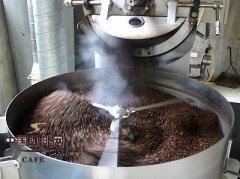
The roasting of coffee
Roasting: this heat treatment causes significant chemical and physical changes in the structure and composition of raw coffee, causing the beans to darken and emit the characteristic aroma of roasted coffee. 1. The purpose of coffee roasting the main purposes of coffee roasting are: a, aroma; B, to increase the complexity of coffee; C, to obtain color; D, to form a unique flavor of coffee. 2. Coffee roasting